IB
The photograph is assumed to freeze time, to immobilize one moment from the flow of history.
So having walked into your Rome Studio and seen your ‘BIT’ pinhole series of early Olivetti machinery, I was struck by the overwhelming sense of connection between the past and the present. Are you exploring notions of time and historical context or maybe more specifically a social heritage within your work?
CN
In the BIT series I portrayed still lives of obsolete technologies. I was exploring the past century, the mortality of technology and how these dusty forms had already come to be as ancient as fossils.
The choice of the pinhole camera derives in part from the fact that the method itself implies a long contemplation of the subject and of its record on film.
I look for the beauty of the flow of time in photographic tones and in the patina of surfaces. In Raffaello’s La Muta (1506-1507), the paint itself speaks miraculously of time, this idea of persistence through time, durability, inspires my work.
IB
In your performance ‘La Resa’ (2006) where you documented yourself in various locations in almost filmic poses with your flag of surrender. Were you again playfully recontextualizing a symbolic gesture from the past in your present-day environment?
CN - I set off with a rudimental white flag on solitary excursions with the intent of exorcising the concept of “Resa” - surrender. It reminded me of the white handkerchief with which both civilians and soldiers would surrender during a war. In this case I used the self-timer of a Leica. I tried to give to this series of photographs the irony of evoking the stills of an imaginary repertory film footage.
During my wanderings, I desperately tried to make some parts of my land surrender to conflict. On an intimate level, this venture transformed itself into a liberatory rite.
IB
Can you explain the importance of the traditional pinhole method of photography in your work?
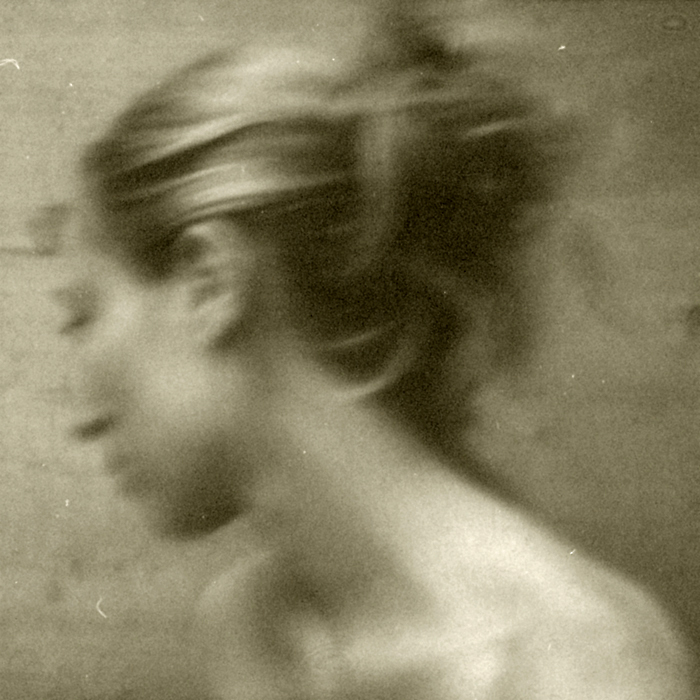
CN - Paradoxically the pinhole method is a cinematic approach to photography, a series of juxtaposed instances whose traces will make up the final image which results not so much as captured by the lens as by a discreet, half-closed almost human eye.
There is an element of chance in framing the image with the pinhole camera, because there is no view-finder, so the subject must be framed with the naked eye. This, for me, adds a certain physicality and peremptory nature to the photographic shot.
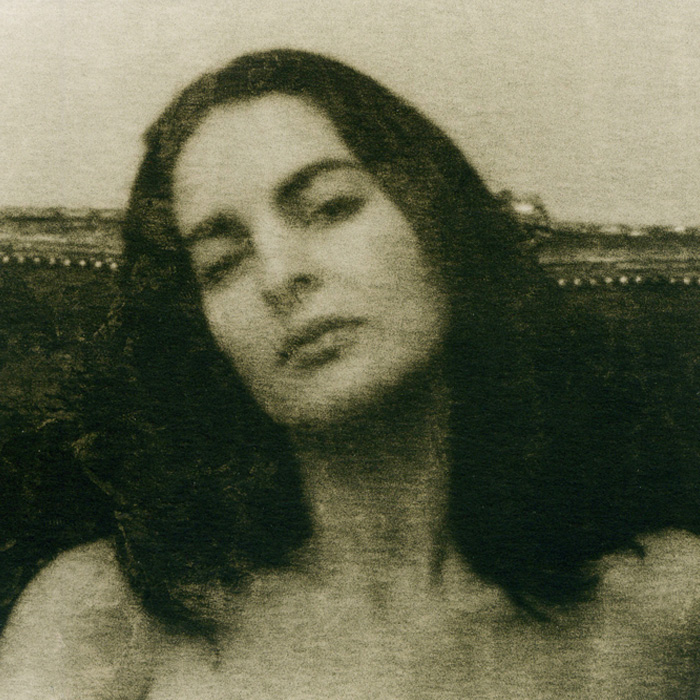
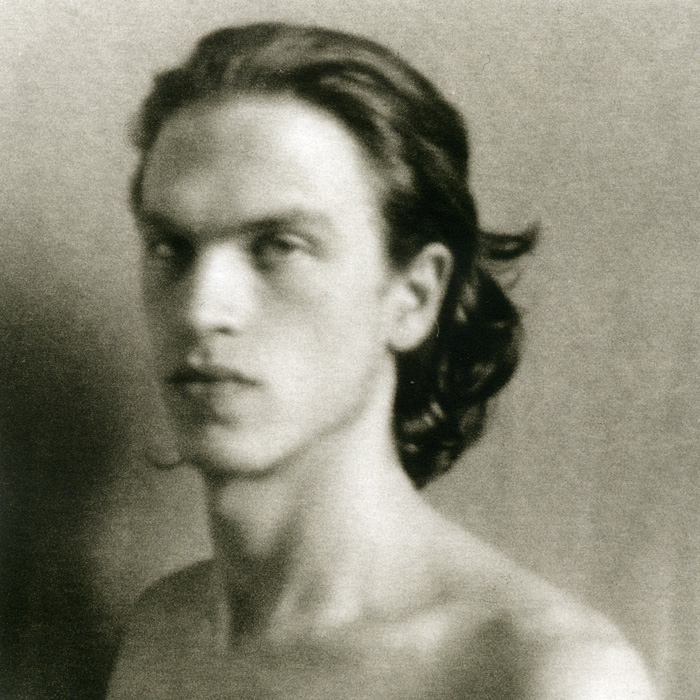
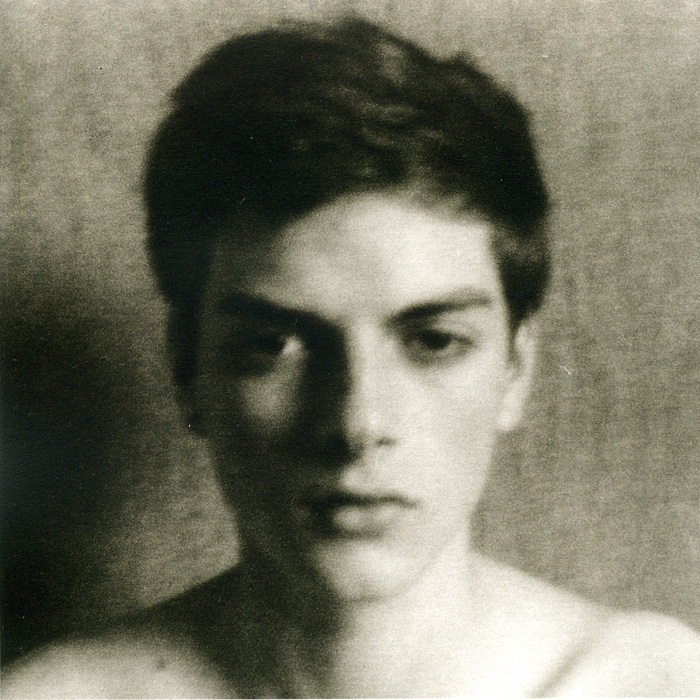
During the sittings a union is created with the subject at the intuitive moment of the shot, after which follows a kind of statuary apnoea while the film is being impressed. Sometimes the exposition times are longer than one minute. During these long poses I discover the psychological physiognomies of the subject.
Through the essentiality of the image I try to obtain, and this is particularly true for the portraits, a timeless nudity.
IB
Light seems to play such an important role throughout your work both in the staging of your subjects for your photography and the emphasis of your painted surfaces in works such as ‘CosmoKid’ and ‘Euro-fun’.Can you talk about working synonymously as an artist in both the fields of photography and painting?
CN
I think I have intense alternating obsessions. I tend not to tie myself to one language but rather I hope to find a common poetics between different expressive forms. This doesn’t worry me. I actually love the feeling of losing myself, so as to renew myself in the fear of a new challenge.
My way of painting is both automatic and traditional, using oils. I work with these colours on which the light rests magnificently conferring to them a luminescence similar to that of human skin. In this series of paintings, I attempted to explore, through matter and rhythm, the continuous play of light and surface. I remember two other paintings in that cycle, Wet backs and Half pint. When I paint I find it comforting to throw myself into solitude, while with photography I am more aware of space and all the things that spin within it. Naturally the portraits bring me to a mixture of feelings.
IB
How did you come across the various models for your series of portraits?
CN
Pierfrancesco was working, I went to drink a glass of wine and met him. I immediately and instinctively thought of portraying him. He was the first, not yet in a studio but in an old car-body-works turned gallery, full of mosquitoes. The way he naturally slid into the state of abandon which the work required really struck me.
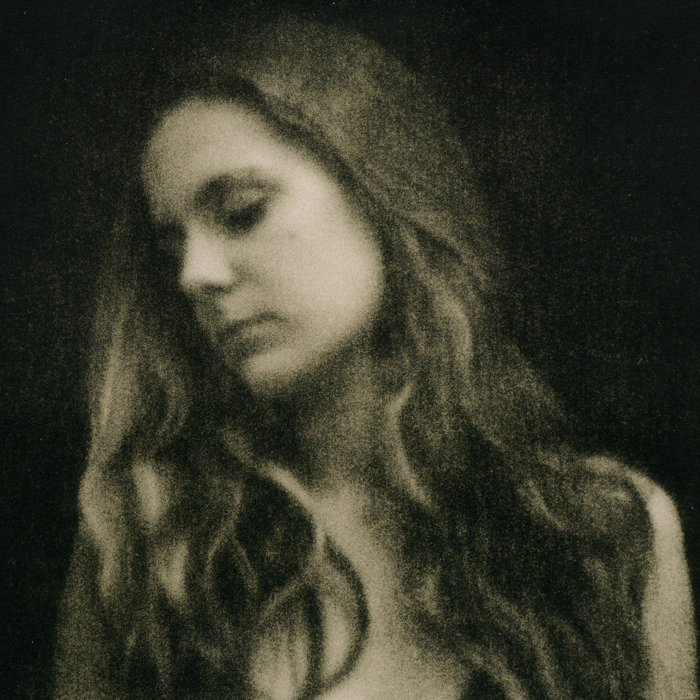
I met Nina at a party on a Roman terrace. Before that, I didn’t know of her girl-Amazon existence. Seeing her transported me into an open-eyed fantasy, imaginary stories between the individual portraits. Play and desire between the characters.
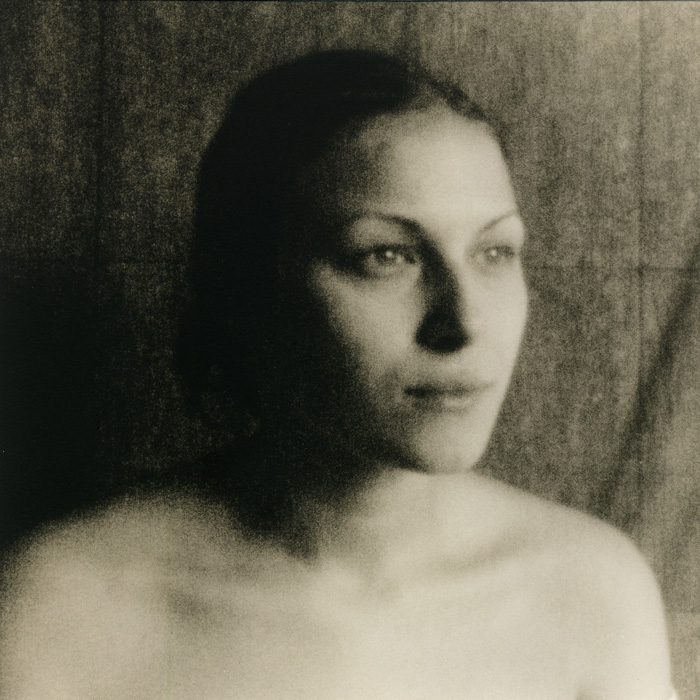
Cecile has always been a close friend, I wanted to portray her in the intimacy of her thoughts. The young bride.
Downstairs from my studio, Francesca is learning to take photographs like a seraphic sphinx who is also welcoming.
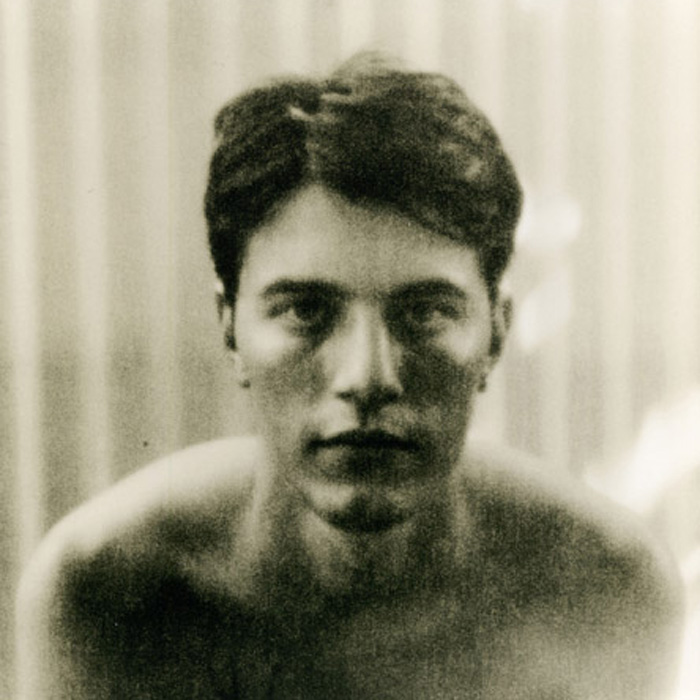
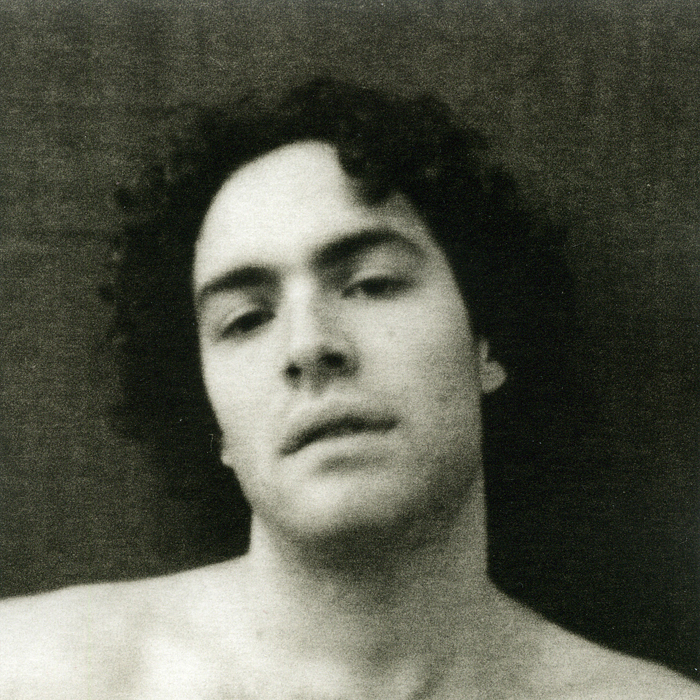
As for Michele, I would have never imagined him as he appeared to me that afternoon, a bohemian aristocrat.
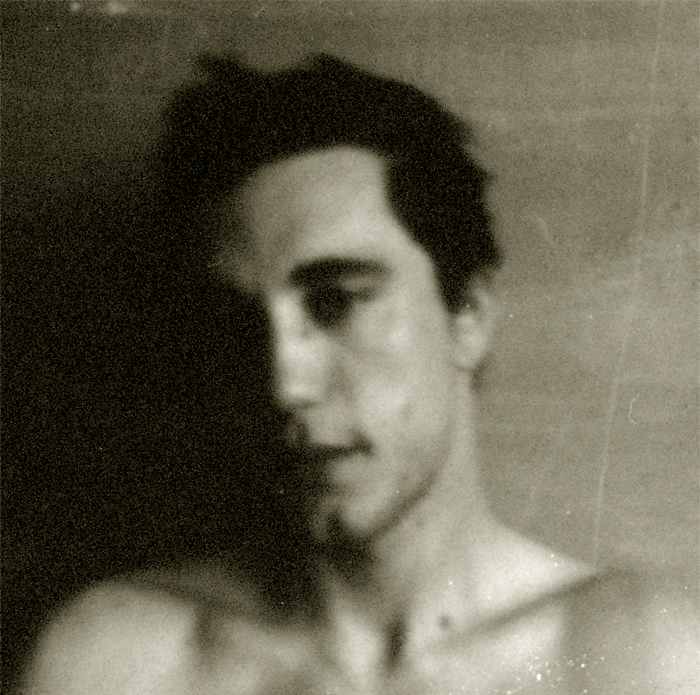
Brando skives off school to go and look at Caravaggio and to come to my studio to be photographed. His fresh ambiguity fascinates me, he drifts. Many artist friends here in Rome would like to portray Chiara… Jhon is one of them. I spotted Giorgio as he was photographing friends drinking and chatting under the tall pine trees. He can’t keep still and bumps into corners… Thus Still Stories.
IB
It’s interesting to hear that you knew of, or were friends with all your subjects as it makes me think of the Victorian Society photographer – Julia Margaret Cameron, who I immediately thought of in first seeing your portraits. In the last 12 years of her life, Cameron became one of Britain’s most advanced Amateur photographer’s of the late nineteenth century. She took incredibly intimate shots of close friends and children – using a variety of long exposures and intentional blurring to create an ambiance and heighten the intimacy of the shot. Sadly, classed as the ugly duckling of her family, it was said that Cameron strove to capture beauty in her work. "I longed to arrest all the beauty that came before me and at length the longing has been satisfied”. (Can we illustrate this reference?) This is my own observation and comparison to your portrait series however, I am sure there are many other historical or contemporary figures that were important to you personally?
CN
I approached this photography in an experimental way, curious about the discovery of the camera obscura and its results.
Only in a second phase did I start researching the origins of photography.
Both the George Eastman collection and Julia Margaret Cameron’s extraordinary work, which I discovered thanks to you, strike me in relation to contemporary images for their lack of awareness for the subject compared to the fascination with mystery of the new invention itself. This is the case in Alexander Gardner’s albumen print portraying Lewis Payne one of the conspirators of President Lincoln’s assassination before his execution (1865). There seems to be no break between documentation and poetic elaboration, staging and natural setting, for the very reason that the photographer and the model are together creating in the stupor of the new invention.
Which makes me think again of the mystery of time’s passage within the image itself. You feel this sensation so deeply in works of the past… and today in an artist such as Hiroshi Sugimoto, in his seascapes series.
IB
The proximity of the sitter in all your portraits are highly seductive, particularly in their arresting gaze and striking stature. Was this hard to achieve?
CN
A timeless gaze…… perhaps this is the result of being so tired after the long poses… surely it’s a breech beyond the Narcissistic self disclosing something more secret, surprising even to them. This abandon to the flow of the film becomes more and more evident. It’s something that comes naturally, I think it has something to do with their pleasure.
IB
I have just one query as to the reason that all the male sitters seem to be addressing the camera straight on playing what the film theorist, Laura Mulvey would have classified as the active or male gaze – while your female sitters fulfil the passive role and look away from the camera.
Was this intentional?
CN
I can’t say this is intentional, it’s the game of seduction. I think in Italy we use the gaze and lower the gaze not as a sign of submission but as yet another form of seduction. It is tradition to look. In the male subjects I think there is a sentiment of desire together with identity more than aggression.
I move the models in a total state of somnambulism, I don’t have the exact perception of the framing of the shot, and they, just as statues of themselves, represent themselves. I try to perceive the intensity of what passes through their minds.
IB
Do you prefer these prints to be on a domestic scale in order to heighten the intimacy of the subjects?
CN
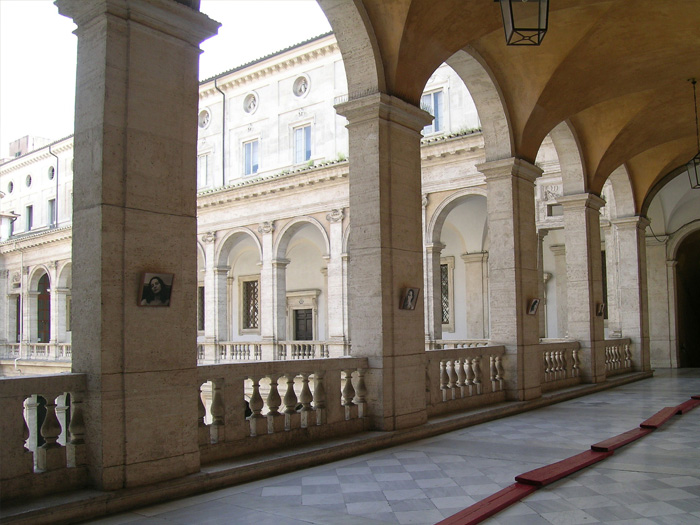
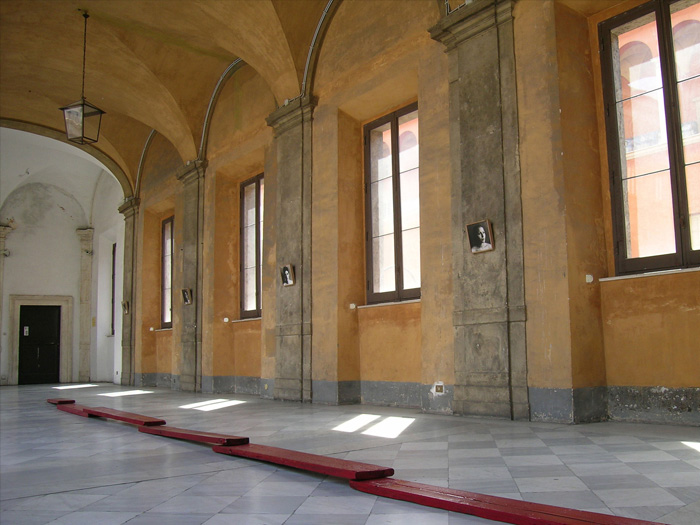
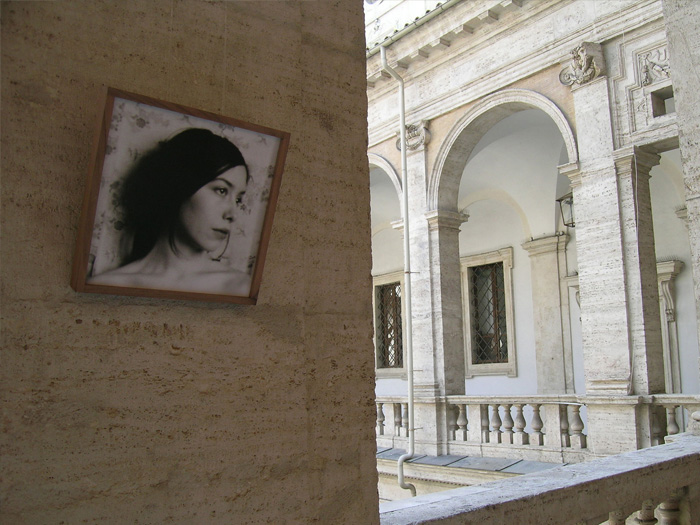
Yes, for this series of portraits, the format is only just under a scale of 1:1. Suggested by my observation of Antonello da Messina and Flemmish portraits - from the collar-bone up… the intimacy that you noticed is a conscious decision to transmit a sense of affectiviy to the viewer.
IB
Although the production heavily hints a historical legacy with the prints dry mounted on panels and yet, you do not appear to have framed your work, is there a reason for not doing so?
CN
For this series I had some untreated Italian walnut wood box-frames built. A notion of natural history added to my imaginary stories.
Something like museum cases for meteorites or butterflies.